Structured Wiring & Smart Home
The backbone everything else runs on — CAT6 to a central panel, Wi-Fi designed for the house, and smart devices that work with your alarm instead of beside it.
Wire It Once, Properly
Cameras, alarm panels, thermostats, doorbells, streaming, and access points all depend on the same thing: a network that actually reaches where they are. Structured wiring is that foundation, and it is the part homeowners most often skip and most often regret.
We install it as part of new construction pre-wire and retrofit it into finished homes. Either way it terminates in one labeled panel, so the next person who has to troubleshoot it — us or anyone else — can actually find what they need.
Building? See New Construction Pre-Wire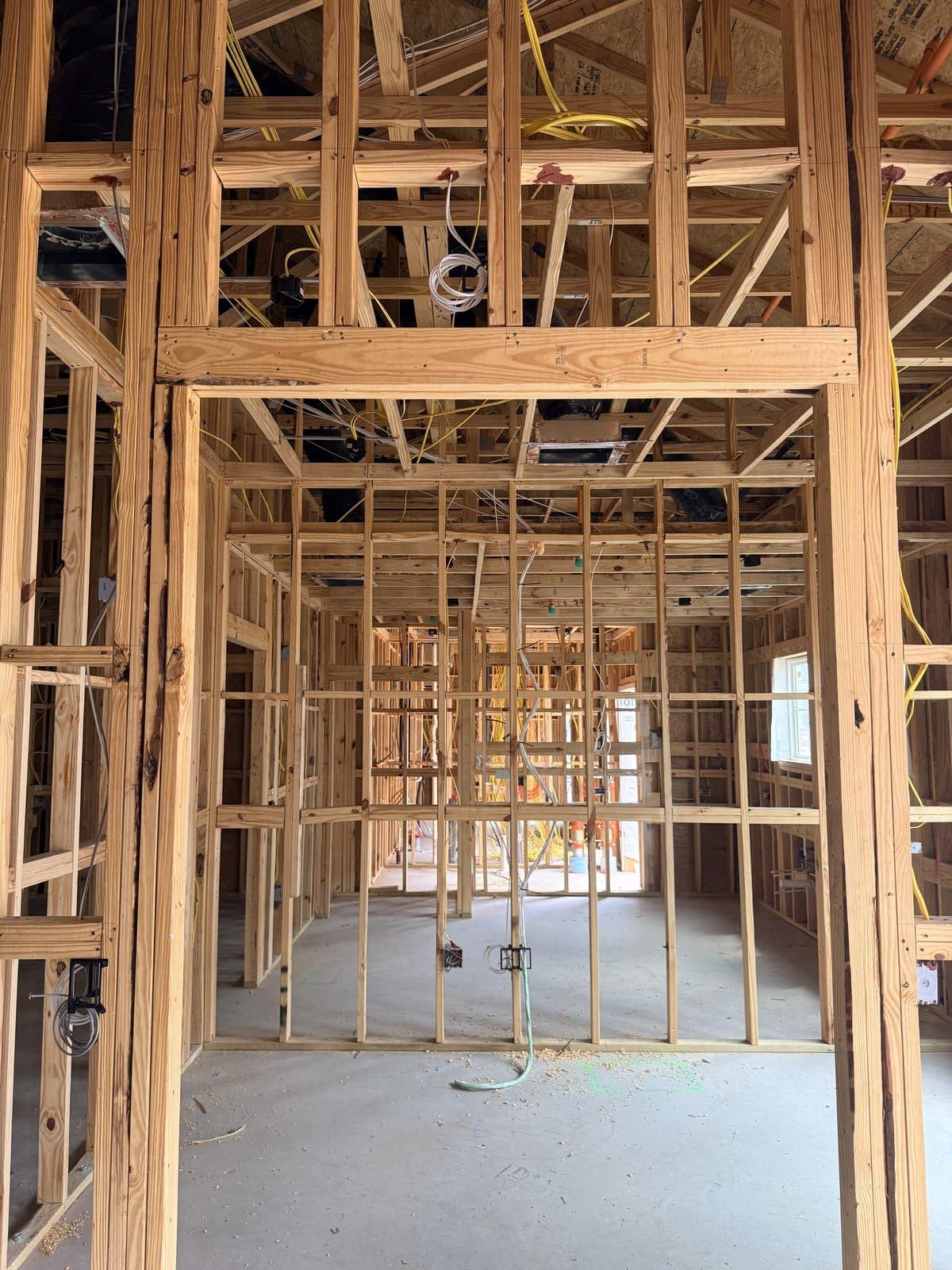
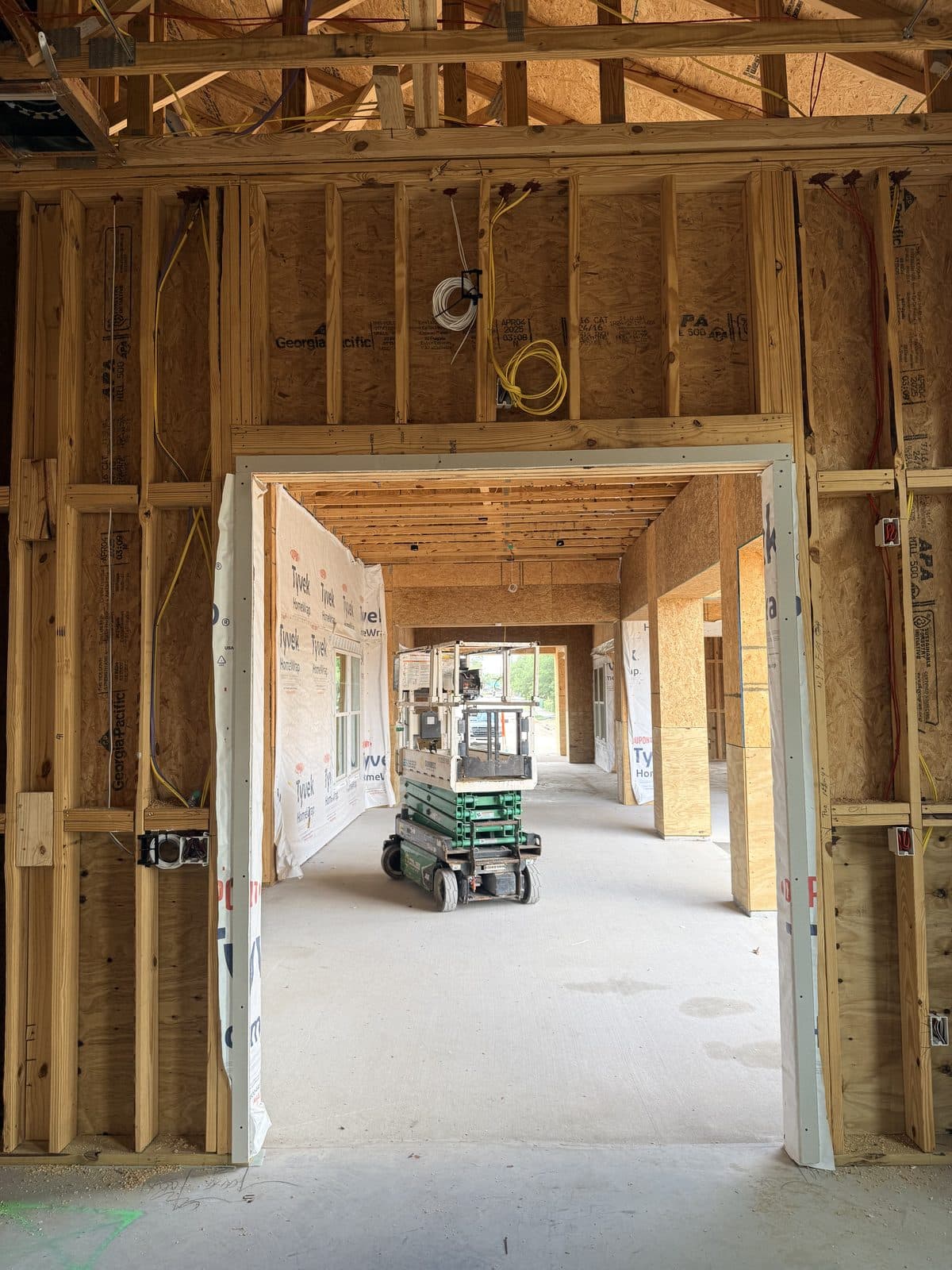
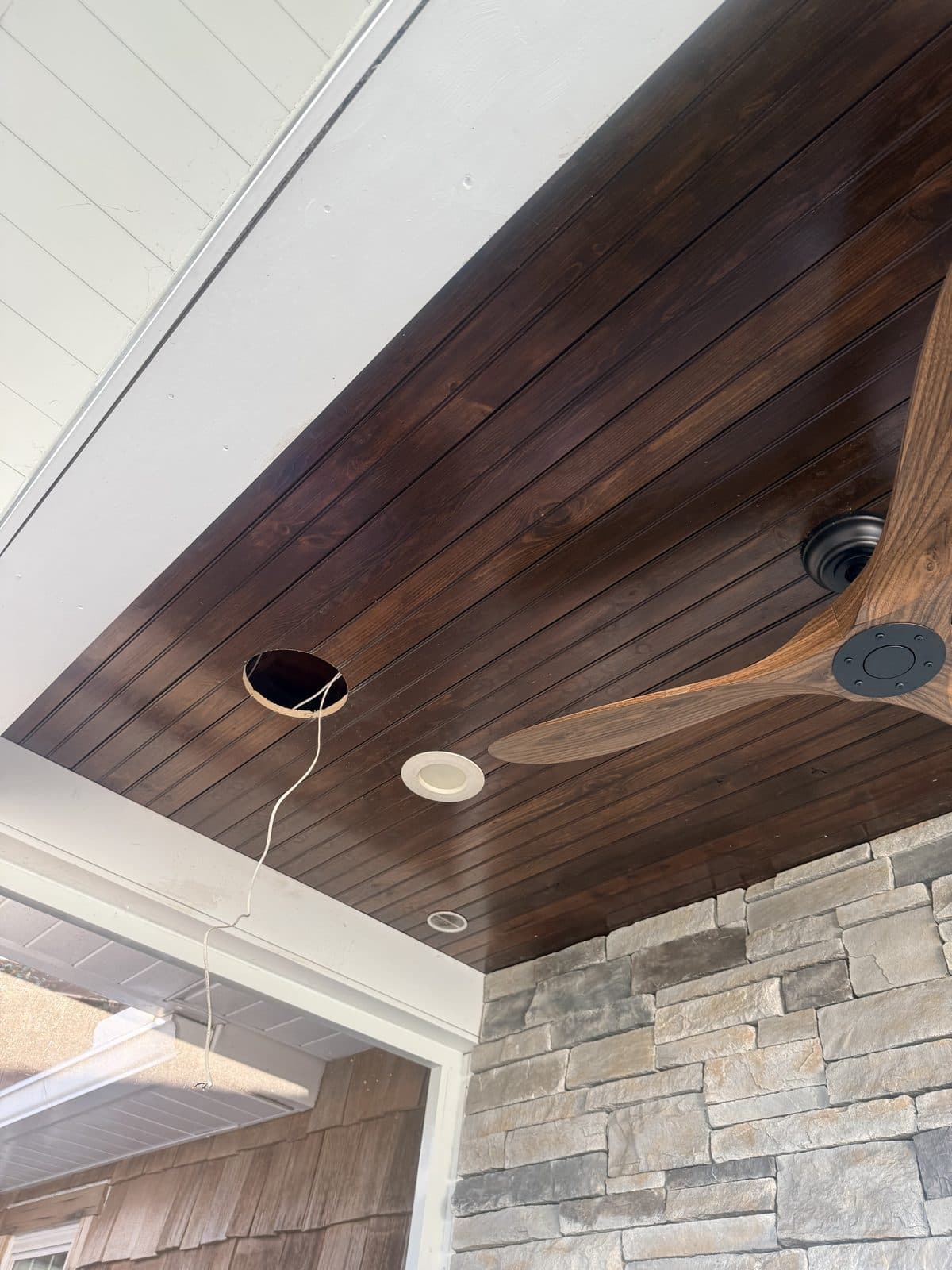
Cabling, Network & Smart Home
CAT6 Data Cabling
Hardwired network drops to TVs, offices, access points, and cameras. Anything that can be wired should be — it frees the Wi-Fi for the devices that genuinely need it.
Structured Wiring Panels
A central enclosure where data, coax, and fiber terminate on labeled patch panels. When something breaks later, the problem is found in minutes instead of hours.
Whole-Home Wi-Fi Design
Ceiling-mounted access points placed by coverage need rather than by where the modem happened to land. Florida block construction blocks signal badly, and one router rarely covers a house.
Smart Locks & Video Doorbells
Keypad and app-controlled entry with per-person codes, integrated with your alarm system so unlocking the door can disarm it.
Thermostats & Lighting
Smart thermostats and lighting control tied into the same app as your security, so away mode adjusts the house instead of just arming it.
Central Vacuum
Central vac tubing and inlet rough-in, most economically done during construction alongside the rest of the low voltage package.
Structured Wiring Questions
What is structured wiring, in plain terms?
+
It is running all the low voltage cable in a house — network, coax, phone, speaker, camera — back to one central panel instead of daisy-chaining things room to room. Everything terminates in one labeled place. It costs a little more up front and saves considerably every time something needs to be changed, added, or diagnosed later.
Do I still need wired network if I have good Wi-Fi?
+
Yes, and good Wi-Fi is usually the reason to want it. Access points perform best when each one has its own wired connection back to the switch. Wiring the fixed devices — TVs, desktops, game consoles, cameras, access points — leaves far more airtime for the phones and tablets that actually have to be wireless.
Why is Wi-Fi so bad in Florida houses specifically?
+
A lot of Florida homes are concrete block with stucco, and interior walls often have metal studs or tile. Both attenuate 5GHz Wi-Fi heavily. A single router in the corner of a block house frequently cannot cover the far end of the home at usable speed, which is why we design coverage with multiple wired access points rather than adding range extenders.
Can this be added to an existing home?
+
Partially, and honestly some of it is easy and some is not. Attic-accessible single-story homes retrofit well. Two-story homes and block exterior walls are harder and sometimes need surface raceway or a mix of wired backhaul and mesh. We walk the house first and tell you which drops are practical before quoting.
Should I pre-wire during construction even if I'm not sure what I want yet?
+
Generally yes — this is the single cheapest decision available to you. Pulling extra CAT6 while walls are open costs very little per drop. Adding one after drywall costs many times that. We routinely rough in more drops than a homeowner plans to use immediately and cap them in the wall for later.
Wire It Right the First Time
Whether you're building in Wesley Chapel or fixing dead Wi-Fi in Carrollwood, we'll walk the property and quote it honestly.